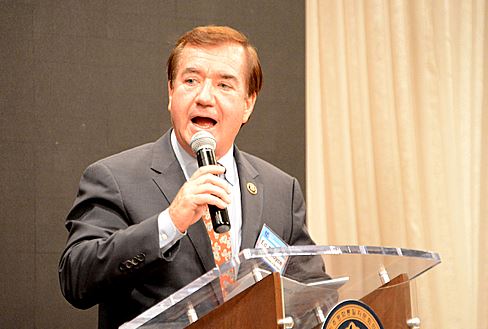
[한국무역신문 = 김성욱 기자] 에드 로이스(Ed Royce) 하원외교위원장 등 미 하원의원들이 한미 FTA 지지를 위해 도널드 트럼프에게 서한을 보내려고 한 것으로 알려졌다. 한국무역협회 워싱턴지부는 지난 21일 에드 로이드 외교위원장, 데이브 리처드(Dave Reichert) 하원 세입위 무역 소위원장, 릭 라슨(Rick Larsen) 하원의원 등 12명의 의원이트럼프 대통령에게 보내려고 준비한 한미 FTA 지지 서한을 사전 입수했다고 밝혔다.
이 서한에서 로이스 위원장 등은 한미관계의 안보적 중요성을 언급하고, 한미 FTA의 품목별 성공사례(치즈, 체리, 감자, 돼지고기)와 긍정적 경제효과를 집중 강조했다. 또 한미 FTA 협정의 폐기는 중대한 과오(grave error)가 될 것이라며 한미 FTA 및 양국의 동맹관계를 강력히 지지했다. 이들은 한미 FTA를 폐기할 경우 미국의 평판(reputation)이 훼손될 것을 우려했다. 지금과 같은 때에 한반도뿐만이 아닌 미국의 평화와 번영을 보존하는 하기 위한 가장 좋은 방안(best tool)은 한미 양국의 탄탄한 무역관계 유지 및 강화라고 강조했다. 경제적 관점에서도 한미 FTA 발효 이후 미국의 對韓수출이 지속적으로 증가하고 있다는 점을 지적했다. 2016년 미국의 對韓 상품무역수지 적자는 축소되었고 2017년에도 이러한 추세가 지속되고 있다고 밝혔다. 이들은 또 한미 FTA는 5년밖에 되지 않은 협정이고 아직 완전한 이행이 이루어지지 않고 있기 때문에 미국기업들에게 한국은 잠재력(significant potential)이 큰 시장이라고 덧붙였다. 의원들은 특히 이 서한에서 한미 FTA 발효 후 미국산 농산물의 對韓 수출이 뚜렷하게 증가했으며, 한국시장은 미국의 많은 농·축산업자에게 매우 중요한 시장이라고 강조했다. 로이스 위원장 등은 “한미 FTA를 폐지할 경우 미국 기업, 농·축산업 종사자들이 피해를 입게 될 것"이라며 "한미 FTA는 비준 당시 미 의회 양당의 전폭적인 지지를 받은 협정이고 향후 한미 FTA에 대한 우려와 변화에 대해서는 美 의회와 상의해야 한다”고 언급했다. 다음은 미 하원의원들이 트럼프 대통령에게 보내려고 준비한 서한 전문. Dear Mr. President, We write today in strong support of the U.S. ̶ Republic of Korea relationship and encourage you to continue strengthening the economic bonds between our two countries by remaining in the Korea-U.S. Free Trade Agreement (KORUS). We are concerned that America’s reputation would be greatly diminished if we withdraw from this agreement. Our relationship with Korea could not be more important than it is today. Good markets make good allies, and we can think of no worse time to fray relationships with allies in East Asia such as Korea. Growing and maintaining robust trading relationships in East Asia is our best tool to ensure peace and prosperity not only on the Korean peninsula but here at home as well. While the bonds between our two nations are longstanding, KORUS is barely five years old. The agreement has not yet been fully implemented and provides significant potential for U.S. market access to grow. The agreement so far has been positive – total exports of goods and services from the United States to Korea have increased by $2.1 billion, over 3 percent, since 2011. The annual merchandise trade deficit with Korea declined in 2016, and this trend is continuing so far this year. U.S. agriculture makes up a significant portion of those U.S. exports. Korea represents an enormous opportunity for many American agricultural exports. Korea is our second largest market for U.S cheese in the world. Without KORUS, the United States would be the only major dairy supplier in the world that does not have preferred access to the Korean market through a trade agreement, ceding to our competitors a market worth $232 million in dairy exports last year. They are a large market for our potatoes and cherries. Cherry exports to Korea have increased from over 242,000 boxes in 2010 to over 1 million boxes in 2016. Pork exports to Korea have already gone from $190 million in 2010 to over $360 million in 2016, and should the United States pull out of the agreement our pork producers would surrender their access to the EU, Chile, and others who enjoy preferential access. Even the U.S. confectionary industry benefits from trade with Korea, with 21% of Korean chocolate coming from U.S. producers. No relationship is perfect, and we should commit to growing and improving our trade relationship with Korea just like any other. We stand ready to work with you to ensure that Korea address its many failures in implementing the agreement. However, it would be a grave error to withdraw from the agreement. If we were to do so, our exporters would experience devastatingly high barriers hurting American businesses, farmers and workers and benefitting their competitors in Asia and Europe. KORUS passed with strong bipartisan support, and Congress should be informed and consulted with concerning the future of this agreement and any potential changes, as required by U.S. law. We thank you for your consideration and look forward to further communication from your Administration regarding your plans for the U.S.-Korea relationship. |